Senior Dog Anxiety: Signs, Causes & How to Help (Vet Verified)

As dogs get older, changes in behavior can sometimes feel sudden and unexpected. You may notice your dog becoming more restless, vocal or clingy especially at night or when left alone. These changes are often linked to senior dog anxiety, a common but often misunderstood part of aging. Understanding what’s behind these behaviors is the first step to helping your dog feel more comfortable and secure in their later years.
What Causes Senior Dog Anxiety, And How To Spot It?
Senior dog anxiety is commonly caused by age-related changes such as cognitive decline, sensory loss, pain or underlying medical conditions. It may appear as restlessness, vocalization, clinginess or sleep disruption. Identifying the root cause and monitoring behavioral patterns is key to choosing the right senior dog anxiety treatment and improving your dog’s comfort and quality of life.
Key Takeaways
- Senior dog anxiety is often linked to age-related changes, not just behavior
- Common causes include cognitive decline, pain and sensory loss
- Nighttime anxiety and separation anxiety may increase with age
- Behavioral changes can signal underlying health issues
- Early monitoring helps guide effective senior dog anxiety treatment
Why Anxiety Develops in Senior Dogs
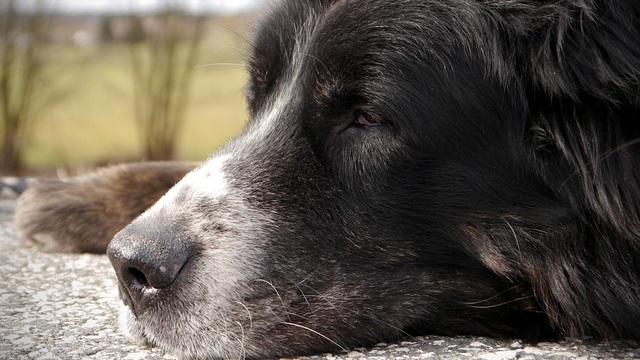
Senior dog anxiety is usually not a standalone condition. In many cases it reflects changes happening in your dog’s brain, body or senses.
Common causes include:
- Cognitive decline (canine cognitive dysfunction)
- Hearing or vision loss
- Chronic pain (such as arthritis)
- Changes in routine or environment
As dogs age, their ability to interpret their surroundings can decline. This can lead to confusion, increased sensitivity and anxiety-related behaviors.
Cognitive dysfunction plays a major role as it affects memory, awareness and normal sleep-wake cycles, often leading to increased anxiety and restlessness.
Senior Dog Separation Anxiety: What’s Different With Age?
Senior dog separation anxiety can develop even in dogs that have never struggled with being alone before.
In older dogs this behavior is often linked to:
- Increased dependence on familiar people
- Reduced confidence due to sensory decline
- Cognitive changes that affect recognition and routine
You may notice:
- Following you from room to room
- Distress when left alone
- Increased vocalization or pacing
Unlike younger dogs, this type of anxiety is less about training and more about a need for reassurance and stability.
“I got the Maven sensor for my 14-year-old Chihuahua mix with heart and trachea issues. It gave me back peace of mind – I can track her RRR, BPM, drinking, and activity anytime and know instantly if something’s wrong. Highly recommend!”

★★★★★
Chiara De Luca
Titti
Why Senior Dog Anxiety at Night Happens
Senior dog anxiety at night is one of the most common concerns reported by pet parents.
It may present as:
- Pacing or restlessness
- Barking or whining
- Difficulty settling
- Waking frequently
These behaviors are often linked to:
- Disruption of normal sleep cycles
- Cognitive dysfunction
- Reduced sensory input in darker environments
At night, when the environment is quieter and less stimulating, dogs with cognitive changes may become more disoriented. This can increase anxiety and lead to disrupted sleep patterns.
Signs Anxiety May Be Linked to Pain or Illness
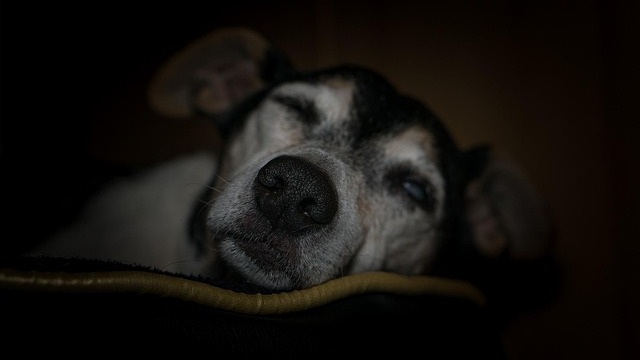
In senior dogs anxiety is often closely connected to physical health.
Watch for:
- Sudden or unexplained behavior changes
- Increased restlessness or agitation
- Changes in appetite or drinking
- Reduced mobility or reluctance to move
- Difficulty settling or sleeping
Pain and medical conditions can make dogs feel uncomfortable or unsafe, which can increase anxiety.
Importantly, behavioral changes are often one of the earliest signs of underlying disease, even before more obvious clinical symptoms appear.
Senior Dog Anxiety Treatment Options
Effective senior dog anxiety treatment starts with understanding the underlying cause.
Veterinary evaluation
- Rule out pain or medical conditions
- Assess for cognitive dysfunction
Medications (when appropriate)
- Anti-anxiety medications
- Cognitive support therapies
Behavioral support
- Consistent daily routines
- Predictable environments
- Gentle reassurance
Environmental adjustments
- Night lights for better visibility
- Comfortable and easy-to-access resting areas
- Minimizing stress and sudden changes
Management is often a combination of medical and lifestyle approaches tailored to your dog’s specific needs.
Lifestyle Changes That Help Calm Older Dogs
Small adjustments can make a big difference in reducing senior dog anxiety.
Helpful strategies include:
- Keeping a consistent daily routine
- Creating a calm, predictable environment
- Ensuring easy access to food, water and resting areas
- Supporting mobility and comfort
- Avoiding sudden environmental changes
For nighttime anxiety:
- Maintain a regular sleep schedule
- Use soft lighting
- Keep sleeping areas familiar and comfortable
These changes help reduce confusion and promote a greater sense of security.
How Maven Helps Monitor Behavioral Changes
A pet health tracker can help turn subtle behavioral changes into clear, trackable patterns.
Maven’s dog health tracker continuously monitors:
- Activity levels
- Rest patterns
- Heart rate
- Resting respiratory rate
- Scratching and water intake
You can also use a dog itch tracker to better understand changes in behaviors like scratching, which may signal discomfort.
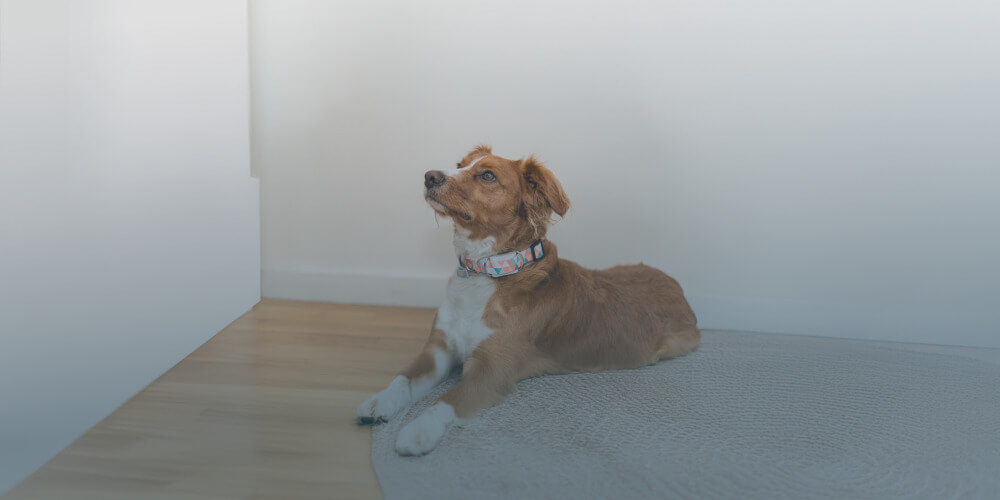
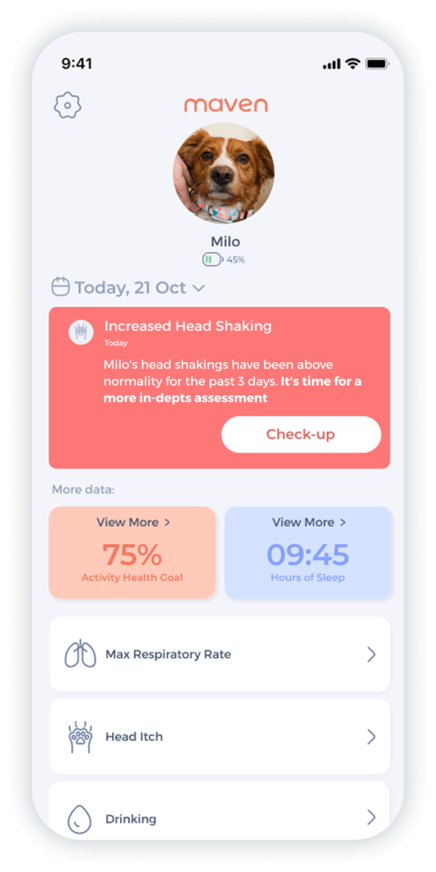
Monitor heart rate, respiratory rate, activity & rest, drinking, itch behavior.
Through a pet health app, Maven builds a personalized baseline and alerts you when meaningful changes occur.
In senior dogs with anxiety this helps identify:
- Nighttime rest disruption
- Pacing-related activity changes
- Shifts in heart or respiratory rate
This makes it easier to understand whether anxiety is behavioral or linked to underlying health changes.
FAQ (Vet-Reviewed)
Sudden anxiety is often linked to cognitive decline, pain, sensory loss or underlying medical conditions. A vet visit can help identify the cause.
Yes. Cognitive dysfunction can lead to confusion, disorientation and increased anxiety especially at night.
Keep a consistent routine, provide a comfortable sleeping space and consider simple changes like soft lighting.
You should talk to your vet if anxiety appears suddenly, worsens over time or is accompanied by changes in behavior, appetite or activity.
Conclusion
Senior dog anxiety is often a sign that something deeper is changing, whether it’s cognitive decline, discomfort or sensory changes.
With the right support many of these behaviors can be managed effectively.
By combining:
- Veterinary care
- Thoughtful lifestyle adjustments
- Consistent routines
- Ongoing monitoring
you can help your dog feel safe, supported and comfortable throughout their senior years.
Maven Pet focuses on improving the quality of life of our pets with technology, using artificial intelligence (AI) to enable proactive pet care. By accurately collecting and monitoring pet data 24/7 and flagging any irregularities, Maven Pet empowers pet parents and veterinarians to stay ahead of potential health issues, ensuring the well-being and longevity of our beloved companions.